Transforming Used Lubricants into Resources: The Next Chapter of the Circular Economy
By Mr. Sakesan Krongphanich
Deputy Chief Executive Officer
P.S.P. Specialties Public Company Limited (PSP)
Over the past several years, industries worldwide have faced increasing pressure to transition toward a low-carbon economy. This shift is being driven by government policies, evolving trade regulations, and changing consumer expectations, prompting businesses to fundamentally rethink how resources are utilized and managed.
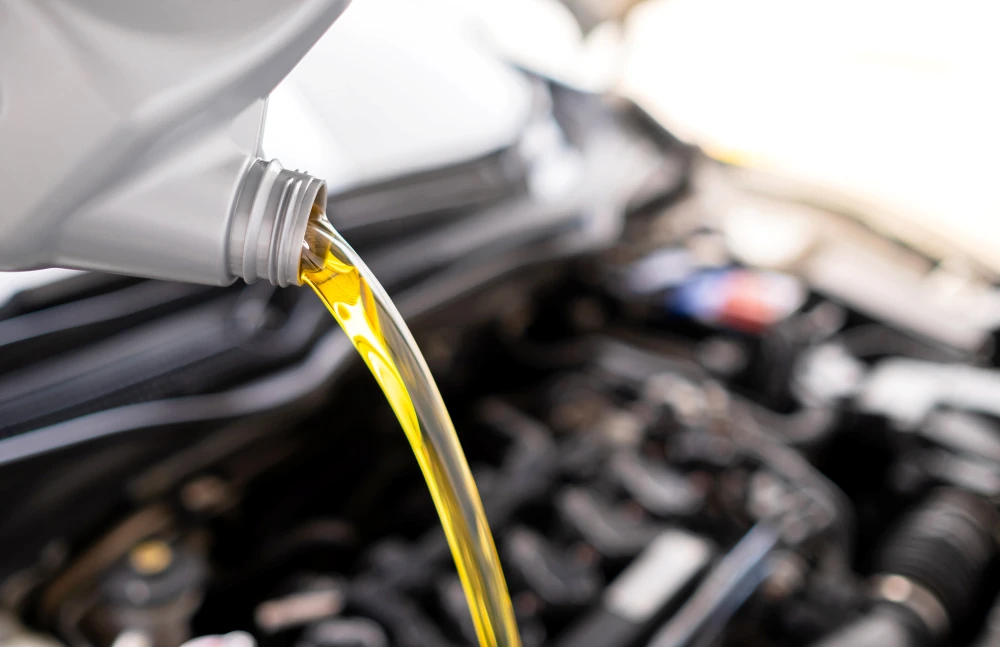
One of the most significant developments in this transition is the changing perception of waste—particularly used lubricants. Traditionally classified as hazardous waste requiring disposal or low-grade fuel applications, used lubricants are now being recognized as valuable resources that can be recovered and reused through advanced technologies. This transformation is made possible through the production of Re-refined Base Oil (RRBO), which enables used lubricants to be converted back into high-quality base oils for industrial applications.
From Recycling to Upcycling: Giving Used Lubricants a New Life
RRBO goes beyond conventional recycling. It represents a form of upcycling that restores and enhances the value of used resources.
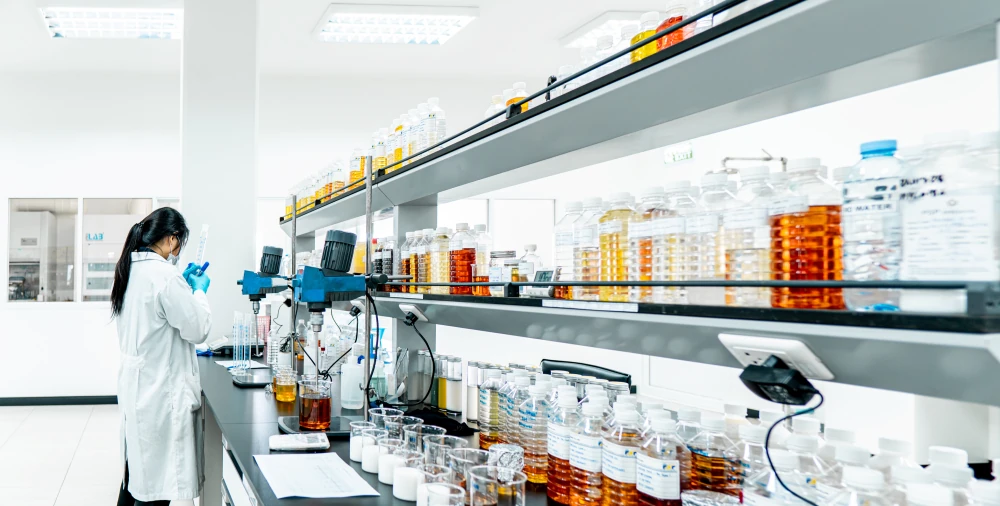
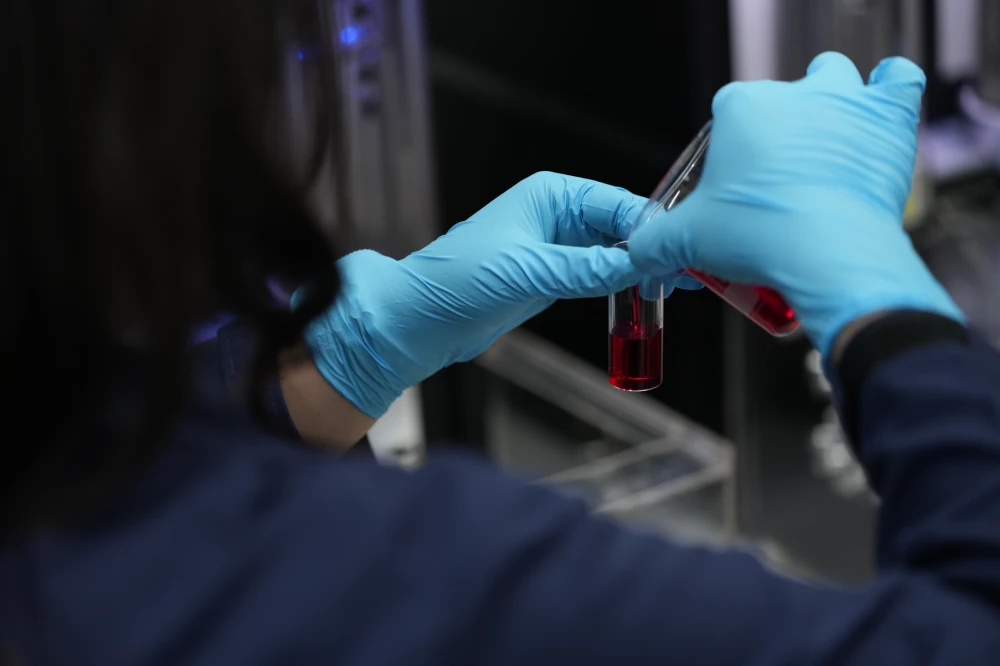
Through rigorous collection and segregation processes, followed by advanced re-refining and purification technologies, contaminants, heavy metals, and degraded compounds are effectively removed from used lubricants. The resulting base oil can then be reintroduced into the industrial value chain as a high-quality feedstock. In many performance aspects, re-refined base oils can achieve quality standards comparable to those of virgin base oils.
RRBO is not merely an alternative material solution. It forms part of a broader sustainability and circular economy megatrend that is reshaping economies, industries, and societies around the world.
As global trade increasingly emphasizes ESG standards, Carbon Footprint of Product (CFP), and Carbon Footprint of Circular Economy Products (CE-CFP), industries and supply chains are under growing pressure to optimize resource efficiency, reduce greenhouse gas emissions, and develop more sustainable products. Within this context, RRBO is expected to play an increasingly important role in supporting future industrial development.
Consequently, RRBO should not be viewed solely as an environmental solution. It is also a strategic business tool that enables organizations to reduce waste management costs, decrease dependence on virgin resources, and support carbon reduction objectives simultaneously.
Unlocking Thailand’s Potential: Transforming Waste into Economic Value
Thailand possesses significant potential to develop a robust RRBO industry, supported by its strong industrial base and well-established logistics infrastructure.
In 2025, lubricant consumption in Thailand was estimated at approximately 682 million liters, representing a substantial volume of used lubricants requiring proper collection and management. At the same time, the global RRBO market continues to expand steadily, with an estimated market value of US$3–4 billion and strong growth prospects driven by increasingly stringent environmental regulations and rising demand for low-carbon products.
This presents a valuable opportunity for Thailand to accelerate its transition from a traditional linear economy based on a take-make-dispose model to a circular economy that generates long-term economic and environmental value.
PSP’s Vision: Building a Closed-Loop Lubricants Ecosystem
As a leading lubricant manufacturer and developer of environmentally responsible solutions, P.S.P. Specialties Public Company Limited (PSP) views the transition toward a circular economy as a strategic opportunity to elevate Thailand’s industrial competitiveness.
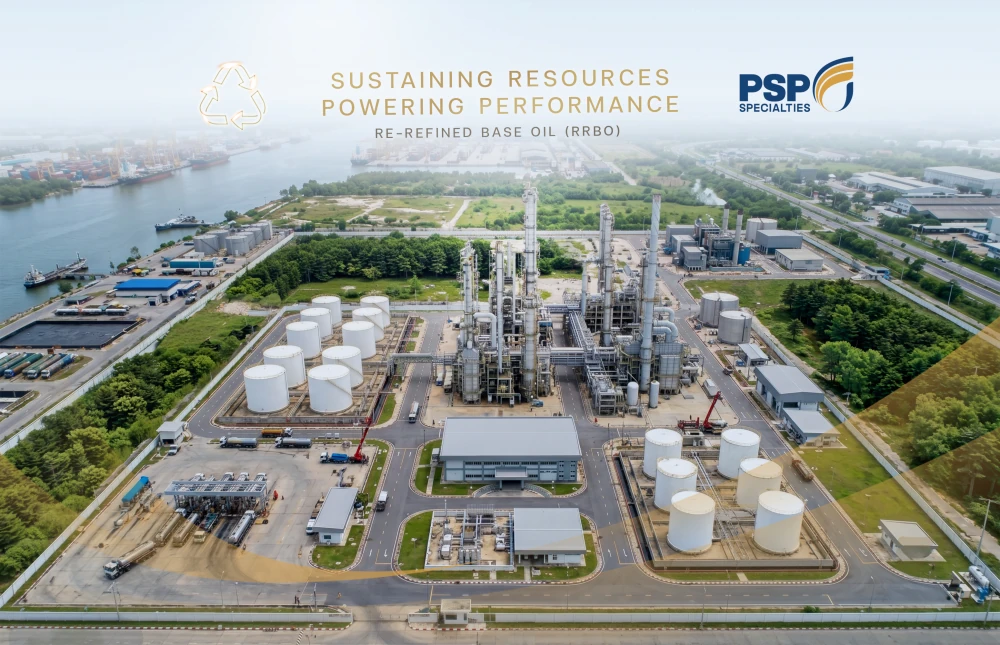
To support this vision, PSP has invested in a Re-refined Base Oil (RRBO) project through Recycle Engineering Co., Ltd. (RE), with the objective of transforming used lubricants into high-quality raw materials that can be reintroduced into the production cycle.
This initiative reflects PSP’s commitment to becoming a leader in used lubricant recycling while evolving into a manager of a fully integrated closed-loop lubricants value chain—covering production, consumption, collection, recovery, and reuse. Through this approach, PSP aims to create sustainable business growth while contributing positively to environmental stewardship.
Advanced Technology Driving Sustainable Solutions
At the core of PSP and RE’s RRBO project is the application of advanced re-refining and purification technologies designed to maximize contaminant removal while minimizing environmental impact.
The resulting products achieve high levels of purity and comply with international quality standards, providing customers and industrial users with confidence that RRBO can be safely used as a substitute for conventional base oils without compromising equipment performance, reliability, or operational efficiency.
Looking ahead, PSP intends for the RRBO business to become a key pillar within its Sustainable Solutions portfolio. Beyond creating value for the Company, the initiative is designed to support PSP’s B2B customers in achieving their sustainability objectives, including greenhouse gas reduction targets and net-zero ambitions.
Building the Future of Circular Resource Management
The successful advancement of a circular economy requires collaboration across all sectors. Governments play a critical role in establishing supportive policies and regulatory frameworks. Businesses must continue investing in innovation and sustainable technologies. Consumers also have an important role in ensuring proper waste segregation and responsible resource use.
If Thailand can successfully establish a standardized and efficient recycling ecosystem, the country will not only strengthen environmental protection efforts but also position itself as a regional hub for circular resource management within ASEAN.
Ultimately, when waste can be fully transformed back into valuable resources, sustainable development will no longer be an aspiration it will become a practical pathway for Thailand’s industries to achieve long-term growth while safeguarding the environment for future generations.