Waste to Value: Turning Chemical Waste into High-Value Resources for Thailand’s Industrial Sector
How used lubricating oil is becoming a resource of the future and a decisive factor in competitiveness in a low-carbon economy
By Mr. Sakesan Krongphanich,
Deputy Chief Executive Officer,
P.S.P. Specialties Public Company Limited (PSP)
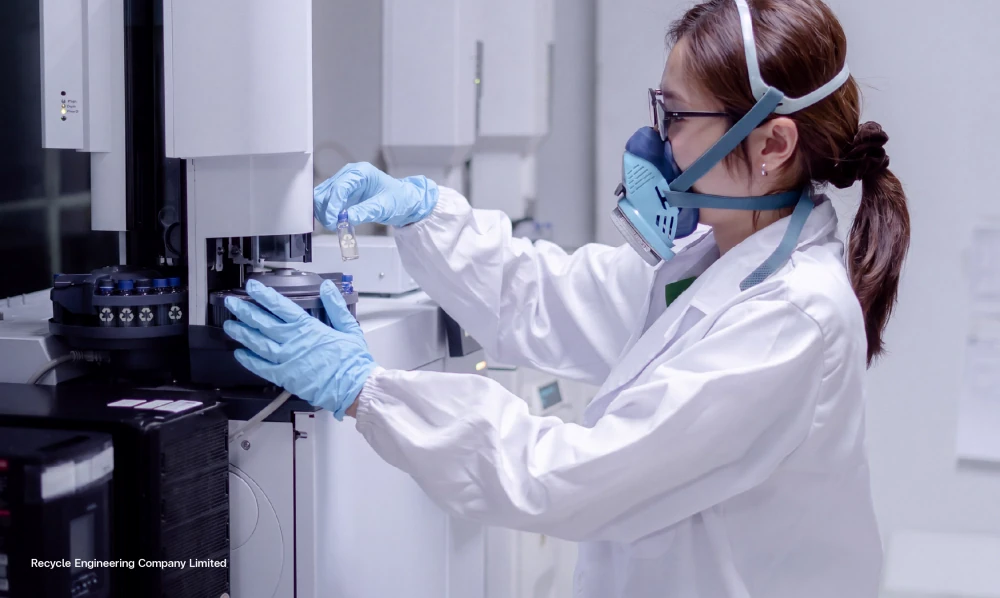
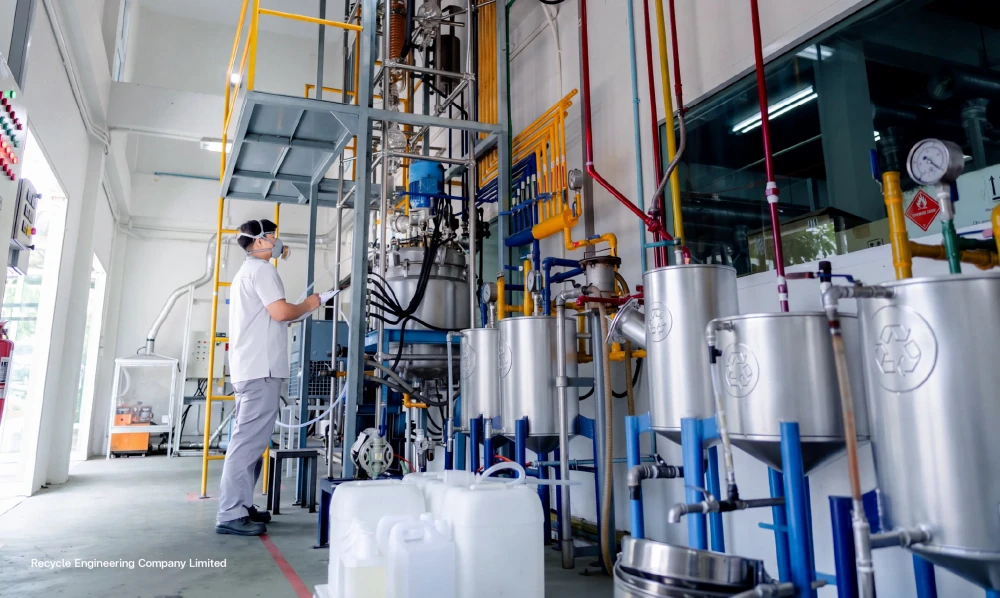
The key question is how effectively Thailand can transform these waste streams into valuable resources. One particularly important example is used lubricating oil, generated by vehicles, machinery, and production lines across the country. Improper management of used oil can have adverse environmental impacts. However, when processed through recycling systems that meet established standards, it can be recovered and reused as an important feedstock for the industrial sector.
According to Kline, global lubricants consumption reached approximately 39.2 million tonnes in 2024, generating around 21.5 million tonnes of used oil. However, only approximately 6.5 million tonnes were re-refined base oil, representing less than one-third of the total volume of used oil generated. Meanwhile, Thailand’s annual lubricants consumption is estimated at approximately 682 million litres. This gap highlights the significant opportunity to recover and reuse valuable resources, while underscoring the challenges of collecting and managing used oil efficiently to ensure that it enters appropriate recycling systems.
Carbon Regulations Are Accelerating Competition, Turning Waste into Business Opportunities
Growing environmental pressures are making waste management increasingly important to business competitiveness. These include Thailand’s draft Climate Change Act, which proposes carbon pricing mechanisms through a carbon tax and an Emissions Trading System (ETS); the draft Clean Air Management Act, which is based on the polluter-pays principle; the Carbon Border Adjustment Mechanism (CBAM); and the European Union’s sustainability requirements. Together, these measures are driving businesses to reduce their carbon emissions.
Thailand’s carbon pricing framework could also allow exporters to offset certain CBAM obligations through carbon prices effectively paid in the country of origin, subject to applicable conditions. CBAM entered its definitive phase in 2026 for its initial product groups, including iron and steel, aluminium, and cement. These developments are prompting businesses to place greater emphasis on reducing greenhouse gas emissions and improving environmental data management throughout their supply chains. At the same time, CBAM allows eligible exporters to account for carbon prices effectively paid in their country of origin when determining their obligations. Establishing Thailand’s own carbon pricing system is therefore another important driver for advancing national climate legislation.
Although the use of recycled raw materials is not yet a universal requirement for Thai manufacturers, improving resource efficiency and reducing carbon emissions are becoming increasingly important to maintaining competitiveness, particularly for businesses participating in global supply chains. As leading international players begin piloting low-carbon products, manufacturers that are slow to adapt risk losing opportunities to remain part of major customers’ supply chains.
PSP Expands into Recycling Through RE, Creating a New Value Chain
P.S.P. Specialties Public Company Limited (PSP), a leading provider of integrated lubricant solutions, is expanding its business into chemical waste management through its investment in Recycle Engineering Co., Ltd. (RE), a specialist in chemical recycling and industrial waste management with more than 30 years of experience. In 2025, PSP acquired 100% of RE’s shares in a transaction valued at approximately THB 630 million.
RE provides a comprehensive range of services, covering the recycling of chemicals, solvents, and used oil; the treatment and disposal of waste that cannot be recovered for further use; and the cleaning of industrial packaging, including 200-litre steel drums and Intermediate Bulk Containers (IBCs), in accordance with United Nations (UN) packaging standards. According to information disclosed by PSP, reusing industrial packaging can reduce procurement costs by an average of 40–50% and lower greenhouse gas emissions by more than 80% compared with using new packaging.
This investment enables PSP to expand beyond lubricant and chemical manufacturing into the management of resources at the end of their useful life, creating opportunities to transform industrial waste into valuable feedstocks once again.
RRBO: Technology That Transforms Used Oil into High-Quality Feedstock
A key component of the Waste-to-Value approach is Re-Refined Base Oil (RRBO), or base oil produced by re-refining used lubricating oil. The process involves removing water and contaminants, vacuum distillation, and hydroprocessing to eliminate impurities and degraded components resulting from use. When processed to the required standards, used lubricating oil can be converted back into base oil for lubricant manufacturing.
Current technologies can produce RRBO at Group II and Group II+ quality levels, while some facilities can achieve Group III.